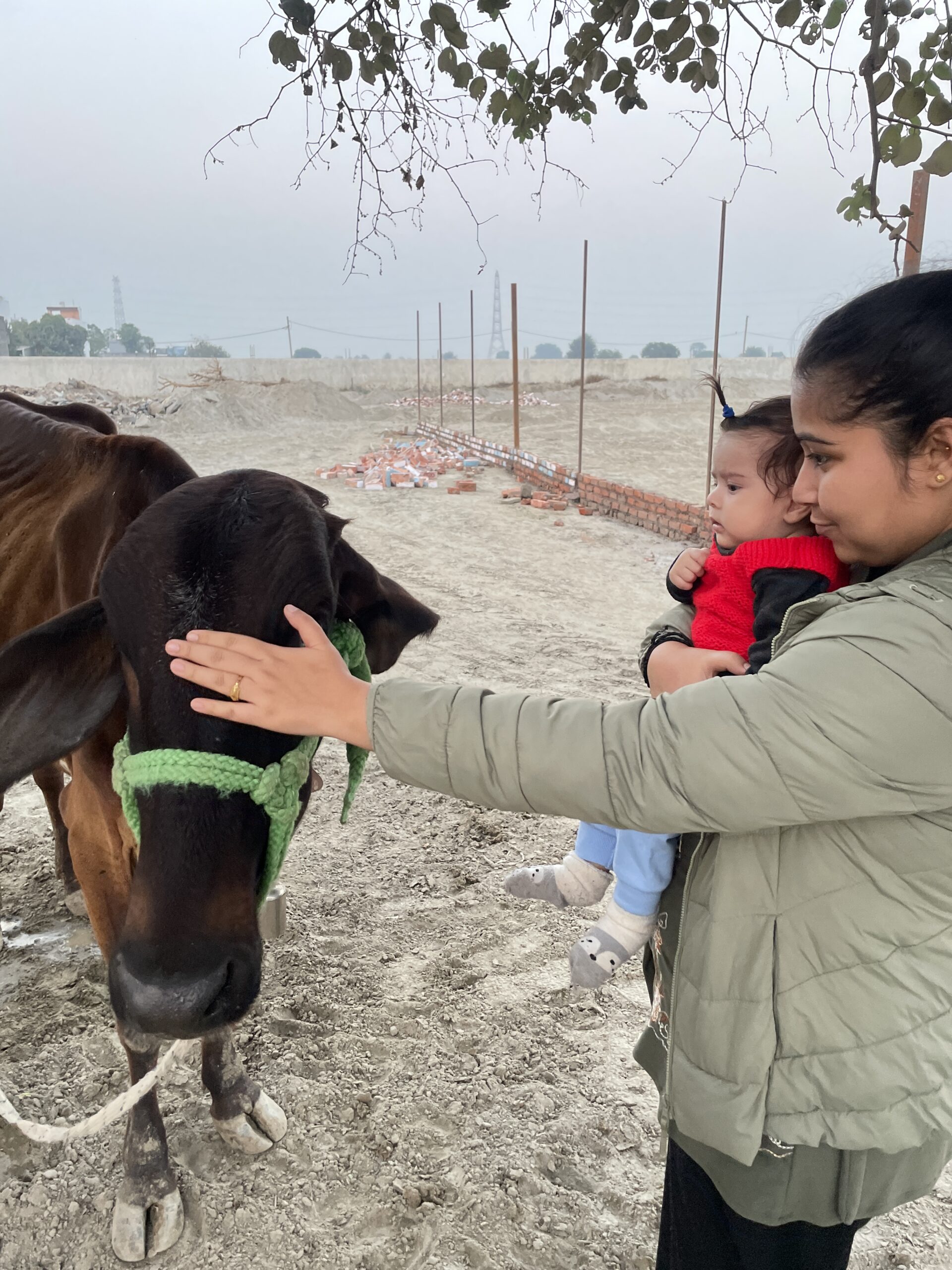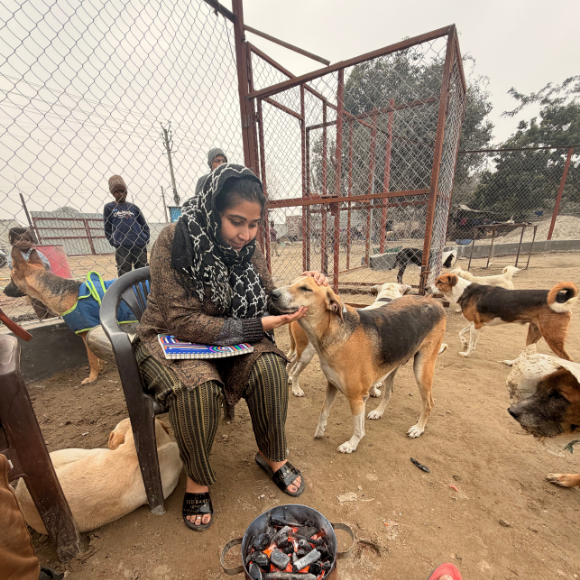
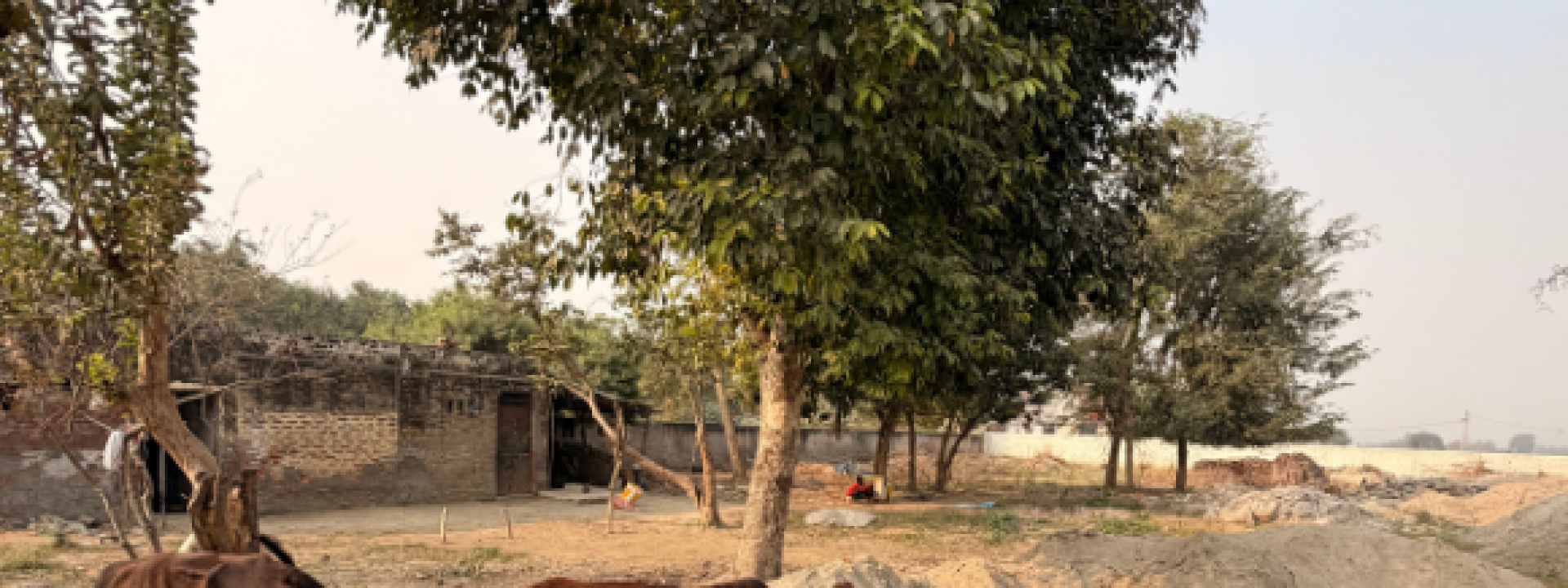
Delhi’s streets are home to thousands of stray animals including dogs, cows, cats, birds, monkeys, and horses. These animals face daily threats from traffic accidents, abuse, hunger, extreme weather, and untreated illnesses. For many of them, survival depends entirely on human compassion. Life For Strays was created to become that lifeline. Over the past five years, the organization has rescued and treated more than 9,000 animals, transforming suffering into safety and neglect into care.
The Beginning: One Rescue That Changed Everything
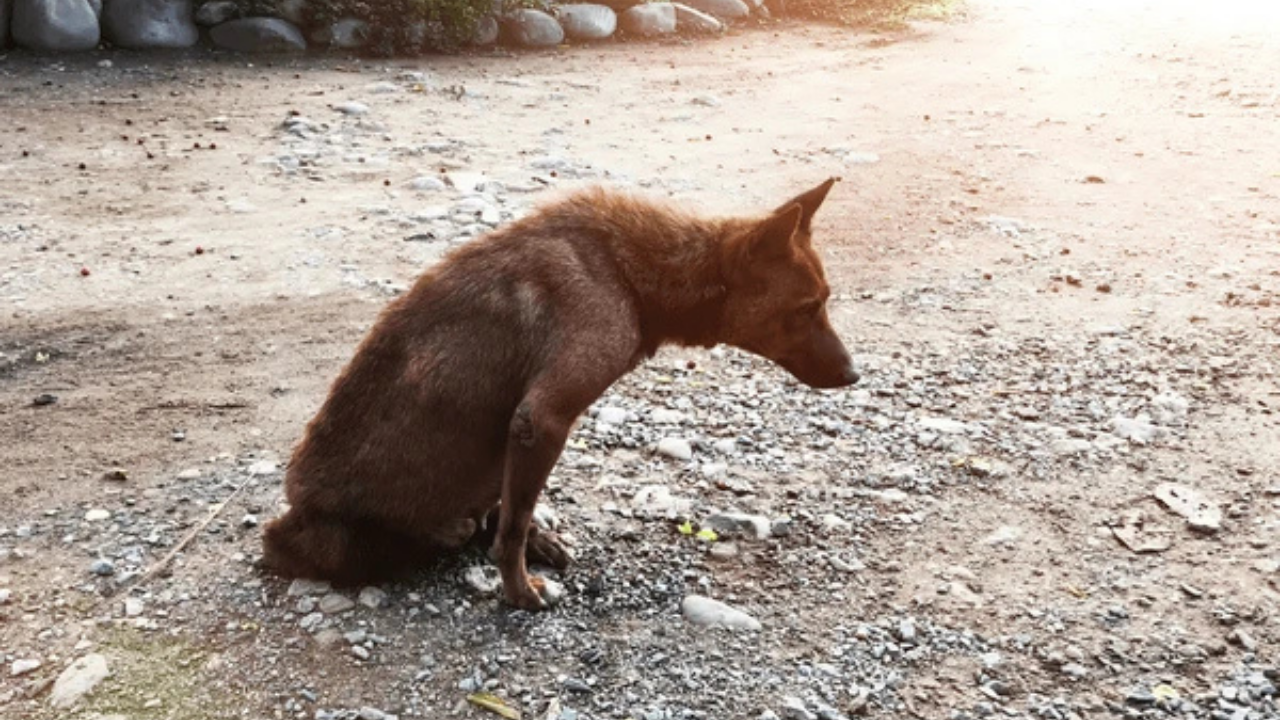
Life For Strays was founded in 2020 by Ritika and Akash, inspired by a moment that changed their lives forever. A small paralysed puppy had been hit by a vehicle and left abandoned on the street. He could not walk, was in severe pain, and had no chance of survival without help. The founders rescued him, arranged medical treatment, and provided constant care. Though he never regained the ability to walk, he survived. That single act of compassion became the foundation of Life For Strays.
What started as one rescue soon turned into a lifelong mission to protect animals who are voiceless and forgotten.
The Reality of Stray Animals in Delhi
Stray animals in urban India live under constant risk. Road accidents are frequent, food scarcity leads to malnutrition, and injuries often remain untreated. Paralysed and blind animals are at even greater risk, as they cannot escape danger or search for food.
Life For Strays stepped in where help was absent. The organization began responding to emergency rescue calls, saving animals from critical conditions, and providing immediate medical care. Over time, a structured system of rescue, treatment, and rehabilitation was developed to handle the growing number of animals in distress.
The Scale of Impact: Over 9,000 Lives Saved
In just five years, Life For Strays has built a rescue operation that reflects consistency, dedication, and scale. Every rescue requires time, medical resources, and long term care.
Rescue impact so far includes:
- 2218 cows rescued from accidents, neglect, and paralysis
- 4559 dogs treated for injuries, infections, paralysis, and abandonment
- 1507 cats rescued from unsafe environments and medical emergencies
- 503 monkeys treated for injuries and conflict related trauma
- 289 birds rescued from falls, wounds, and environmental hazards
- 87 horses saved from neglect, injury, and abandonment
Each number represents a life that would likely not have survived without timely intervention.
From Rescue to Recovery
Rescue is only the first step in saving an animal’s life. Many animals require weeks or even months of recovery. Life For Strays ensures complete post rescue care through:
- Emergency medical treatment
- Surgeries and long term medication
- Nutritious food and clean water
- Safe shelter and recovery spaces
- Continuous monitoring and rehabilitation
Paralysed animals receive special attention including hygiene support, proper bedding, wheel carts, and regular medical supervision. Animals that cannot be released back onto the streets are provided lifelong shelter and protection.
Managing a Shelter with Limited Resources
For the past five years, Life For Strays has been operating a shelter that houses rescued animals and provides them safety and care. As rescue requests increase every year, the shelter frequently reaches full capacity.
Despite limited financial and infrastructural resources, rescue operations never stop. The team relies on personal savings, donations, and volunteer support to ensure no injured animal is ignored. This commitment has made it possible to continue saving lives consistently.
Building the Future: The 1 Acre Shelter Project
To increase rescue capacity and improve standards of care, Life For Strays is currently building a new 1 acre permanent shelter. This facility will allow:
- Housing for a larger number of rescued animals
- Separate areas for different species
- Dedicated medical and recovery wards
- Open rehabilitation spaces for paralysed animals
- Improved hygiene and sanitation systems
This shelter represents long term responsibility and a stronger future for animal welfare in Delhi.
The Role of Supporters and Donors
Rescuing over 9,000 animals would not have been possible without the support of compassionate individuals. Every rescue was backed by donors, volunteers, and well wishers who believed in protecting stray lives.
Small donations helped fund surgeries and medicines. Monthly contributions ensured food and ongoing medical care. Volunteers assisted with rescues, feeding drives, and shelter management. Together, these efforts created real and measurable impact.
Why This Work Matters
Millions of stray animals across India continue to suffer in silence. Without organizations like Life For Strays, their pain often goes unseen and untreated. Rescue work is not just about saving animals. It is about building a society where compassion is practiced and cruelty is not accepted.
Every life saved sends a powerful message that kindness is a responsibility, not a choice.
Final Takeaway: One Life at a Time
From rescuing a single paralysed puppy in 2020 to saving over 9,000 animals across Delhi, Life For Strays stands as proof that consistent compassion can create lasting change.
The journey continues with more rescues, a new shelter under construction, and an unwavering promise to protect the voiceless.
Because every life truly matters.