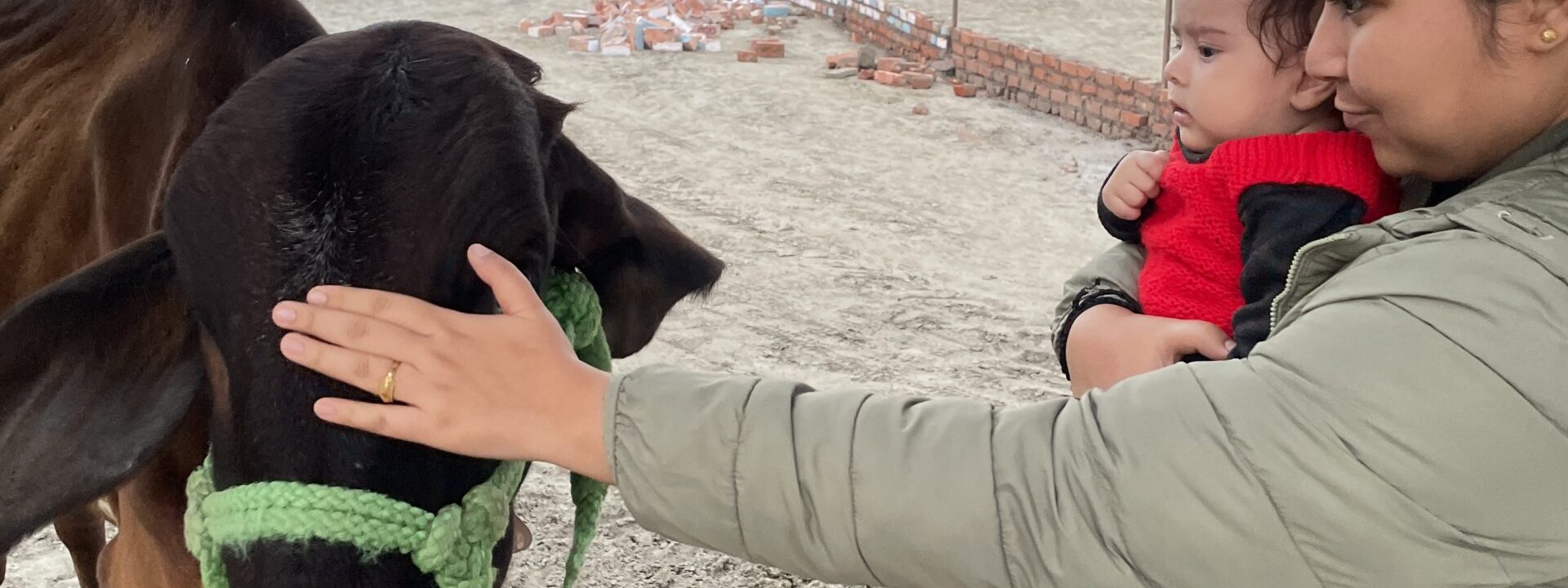
Across Indian cities, millions of stray animals struggle to survive every day. Dogs, cows, cats, birds, and other animals face constant danger from traffic, hunger, abuse, and extreme weather. Temporary relief measures may reduce immediate suffering, but they do not solve the problem at its core. Permanent shelters are the only long term solution that can provide safety, medical care, and dignity to animals who cannot survive on the streets.
Life on the Streets Is Not Sustainable
The streets are an unsafe environment for animals. Fast moving vehicles, shrinking open spaces, and human animal conflict result in countless injuries every day. Stray animals often suffer from broken bones, spinal injuries, infections, and untreated wounds. Many die slowly due to starvation or exposure.
While feeding drives help reduce hunger, they do not protect animals from accidents or illness. Once an animal is injured, the street offers no chance of recovery. Without a safe place to heal, survival becomes nearly impossible.
Temporary Help Has Its Limits
Short term solutions such as on spot treatment, temporary foster care, or roadside feeding are important but insufficient. These efforts address symptoms rather than causes. Animals with serious injuries, paralysis, blindness, or old age cannot recover without continuous care.
Temporary arrangements often lack proper medical facilities, hygiene, and monitoring. Animals may be treated once and then returned to the same unsafe environment that caused their injury. This cycle leads to repeated suffering and preventable deaths.
What Makes Permanent Shelters Essential
Permanent shelters provide what the streets and temporary setups cannot. They offer stability, safety, and structured care. A well run shelter ensures:
- Immediate access to medical treatment and recovery space
- Clean and hygienic living conditions
- Regular feeding and proper nutrition
- Protection from traffic, abuse, and extreme weather
- Long term monitoring of health and wellbeing
For animals with permanent disabilities, shelters become their lifelong home. Without such facilities, these animals would have no chance of survival.
Special Care for Disabled and Injured Animals
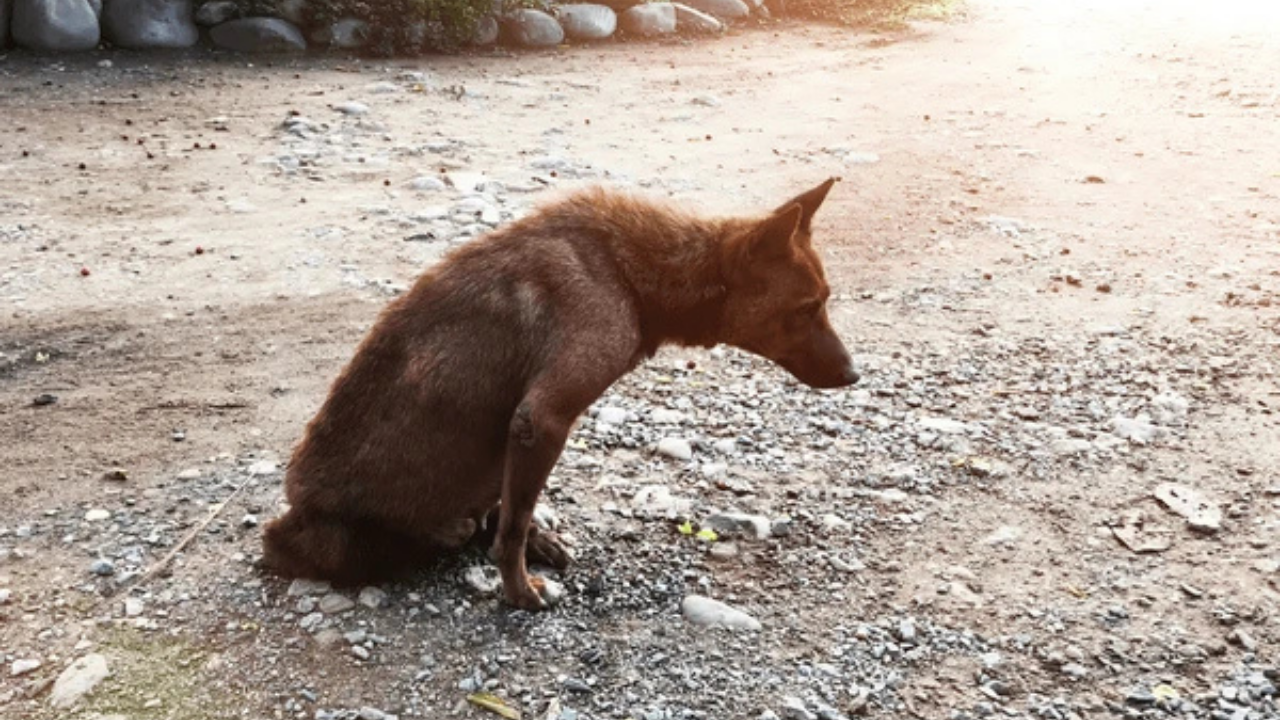
Paralysed, blind, and severely injured animals require specialised care that cannot be provided on the streets. They need soft bedding, hygiene support, regular medication, and continuous supervision. Permanent shelters are designed to meet these needs.
Dedicated shelter spaces prevent complications such as infections, bed sores, and untreated pain. With consistent care, even animals with lifelong disabilities can live comfortably and without suffering.
Shelters Support Responsible Rescue and Rehabilitation
Permanent shelters allow rescue organizations to operate responsibly. Animals are not just rescued and abandoned again. They are given time to heal, recover, and regain strength.
Some animals can be rehabilitated and released back into safe environments. Others, who cannot survive independently, remain under lifelong care. This balanced approach ensures that rescues are meaningful and humane rather than temporary fixes.
Reducing Street Suffering Through Capacity Building
One of the biggest challenges faced by rescue organizations is lack of space. When shelters reach capacity, rescue efforts slow down or stop entirely. Permanent shelters increase rescue capacity, allowing organizations to respond to more emergencies.
With adequate space and infrastructure, more animals can be saved, treated, and protected. This directly reduces the number of animals suffering on the streets.
The Long Term Impact on Communities
Permanent shelters do more than save animals. They create safer and more compassionate communities. Fewer injured animals on the streets mean fewer accidents, reduced public health risks, and improved coexistence between humans and animals.
Shelters also become centers for awareness, encouraging responsible behavior toward animals and promoting kindness and empathy in society.
The Cost of Inaction
Without permanent shelters, countless animals will continue to suffer and die unnecessarily. Temporary solutions alone cannot keep up with the growing stray population and increasing urban risks. Ignoring the need for permanent infrastructure only prolongs suffering.
Investing in permanent shelters is not an expense. It is a responsibility toward lives that depend entirely on human action for survival.
Final Takeaway: Building a Future That Protects All Lives
Permanent shelters are not optional. They are essential for any serious effort to reduce animal suffering. They provide safety, medical care, and dignity to animals who would otherwise be left to suffer on the streets.
By supporting permanent shelters, we choose long term solutions over short term relief. We choose compassion over neglect. Most importantly, we choose to protect lives that cannot protect themselves.
Because a society is judged not by how it treats the powerful, but by how it cares for the vulnerable.