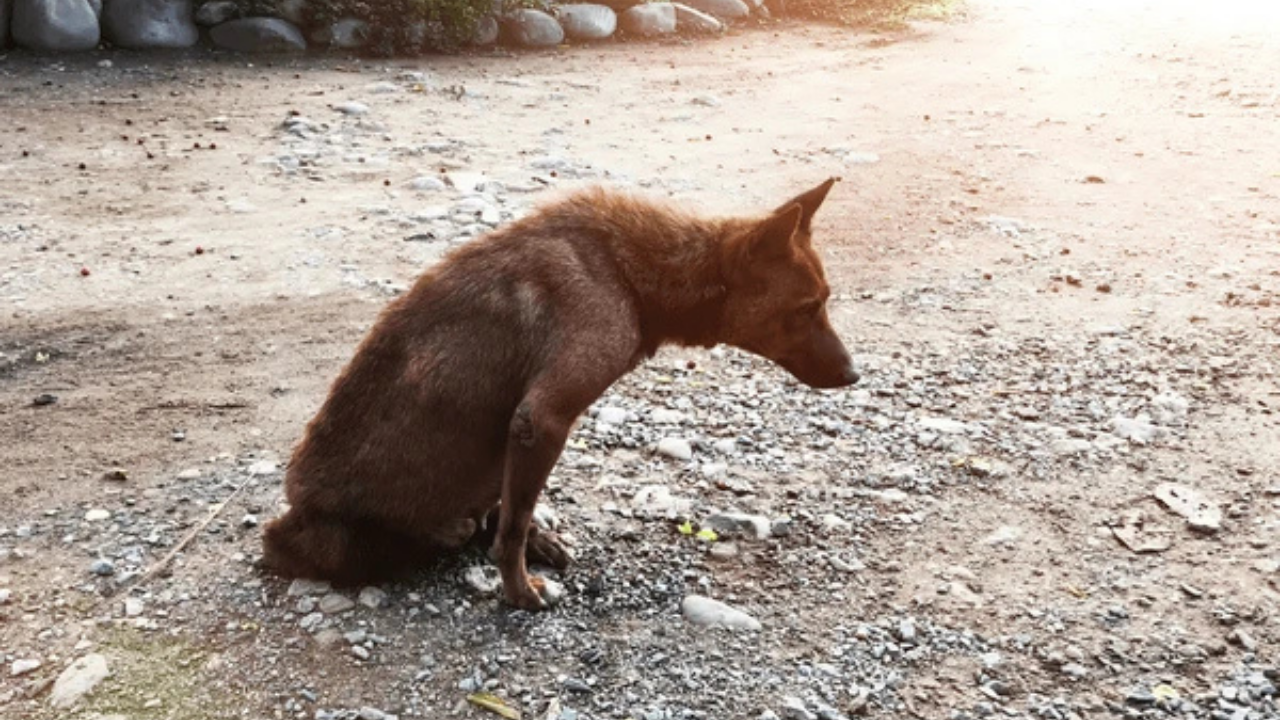
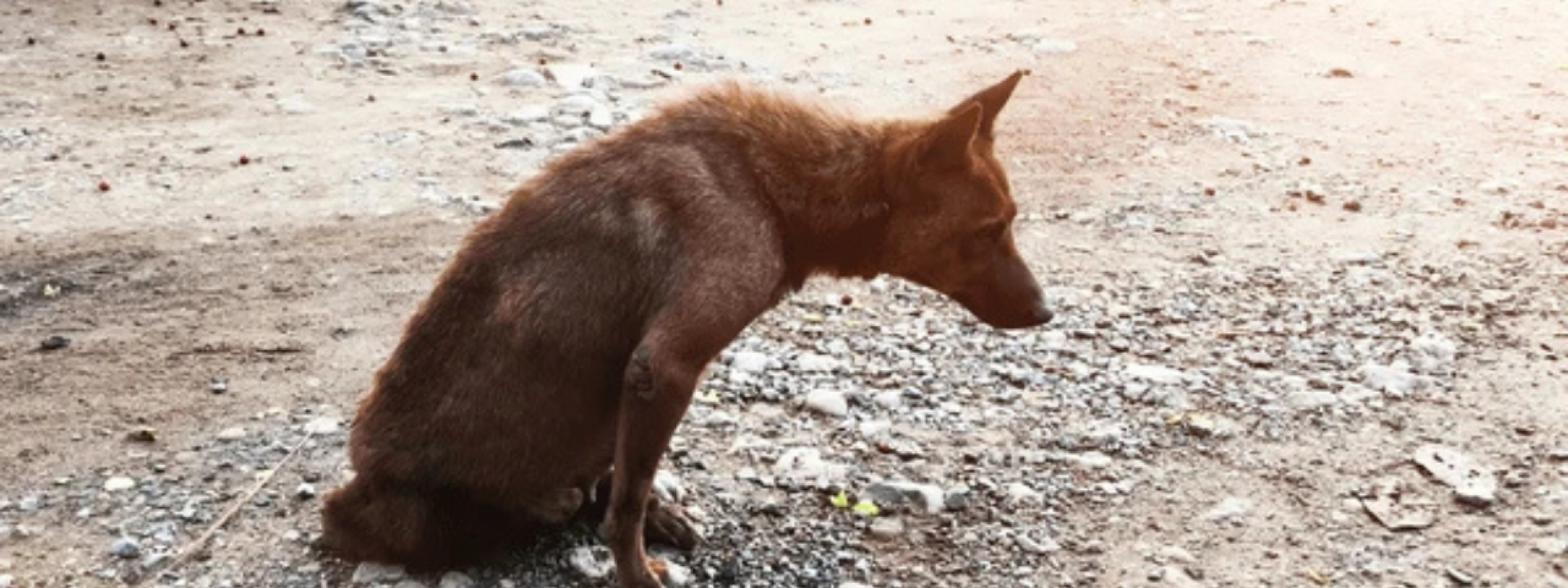
For most stray dogs, survival on the streets is already a daily struggle. For paralysed stray dogs, survival becomes nearly impossible. Unable to walk, escape danger, or search for food, these animals are often left helpless on busy roads or hidden corners, suffering silently. Paralysis takes away not just mobility, but dignity, safety, and hope. This is where timely rescue and specialised care become the difference between life and death.
How Stray Dogs Become Paralysed
Paralysis in stray dogs is most commonly caused by road accidents. Fast moving vehicles, careless driving, and lack of safe spaces result in severe spinal injuries. Other causes include physical abuse, falls from heights, untreated infections, and long term nutritional deficiencies.
Once paralysed, a stray dog is no longer able to survive independently. They cannot flee from traffic, protect themselves from other animals, or even move away from filth and stagnant water. Without intervention, their condition quickly worsens.
The Harsh Reality of Life on the Streets
Paralysed stray dogs face extreme challenges every single day. They are unable to:
- Walk or search for food
- Escape from vehicles or aggressive animals
- Control urine or bowel movements
- Protect themselves from rain, heat, or cold
As a result, they suffer from severe infections, bed sores, maggot wounds, dehydration, and starvation. Many are ignored simply because they cannot cry for help loudly enough. On the streets, paralysis is often a slow and painful death sentence.
Why Paralysed Dogs Need Specialised Care
Unlike minor injuries, paralysis cannot be managed with basic treatment. Paralysed dogs require continuous and specialised care to survive with dignity. This includes:
- Clean and dry bedding to prevent bed sores
- Regular bladder expression and hygiene care
- Physiotherapy to reduce stiffness and pain
- Nutritious food and supplements
- Ongoing medical supervision
Without these essentials, even a rescued paralysed dog remains at risk. Survival alone is not enough. What these dogs truly need is a life free from pain and neglect.
The Role of Rescue Organization
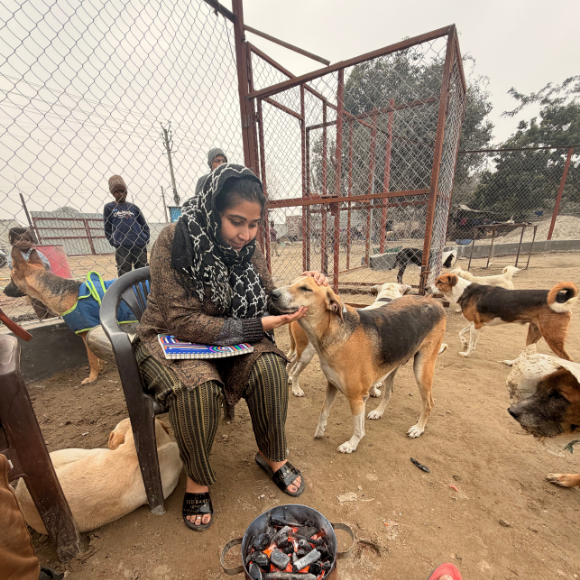
Rescuing paralysed stray dogs is one of the most challenging aspects of animal welfare. It requires immediate response, medical expertise, and long term commitment. Organizations like Life For Strays step in where others cannot.
Once rescued, the dog is provided emergency medical treatment and assessed for spinal damage. Some dogs regain partial mobility with treatment and physiotherapy. Others may never walk again. Regardless of recovery outcomes, every paralysed dog deserves comfort, safety, and care for life.
Creating a Safe Space for Recovery
A proper shelter environment is critical for paralysed dogs. Unlike healthy animals, they cannot be kept on rough surfaces or in overcrowded areas. They need:
- Clean flooring with proper drainage
- Soft beds to prevent pressure wounds
- Regular cleaning to avoid infections
- Calm spaces for recovery and rest
Dedicated shelter areas allow caregivers to monitor health closely and respond quickly to complications. This environment restores a sense of security that these dogs have never known.
Restoring Dignity Through Compassionate Care
Dignity is often the first thing paralysed stray dogs lose. Being unable to move, staying soiled, and being ignored strips them of basic respect. Compassionate care restores that dignity.
Regular cleaning, gentle handling, medical attention, and affection help rebuild trust. Wheel carts allow some dogs to move independently again, bringing joy and confidence back into their lives. Even simple acts like clean bedding and warm blankets change everything for a paralysed dog.
These efforts do not just heal bodies. They heal spirits.
Lifelong Commitment, Not Temporary Help
Paralysed dogs often require lifelong support. Unlike other rescues, release back to the streets is not an option. Shelter care becomes their permanent home. This long term responsibility includes medical expenses, food, hygiene supplies, and constant monitoring.
This is why sustainable support from donors and the community is essential. Every contribution helps ensure that these animals live comfortably, safely, and without pain.
Why Supporting Paralysed Dogs Matters
Helping paralysed stray dogs is about more than rescue. It is about choosing empathy over neglect. These animals did not choose their injuries. They deserve a chance to live without suffering.
By supporting their care, society sends a clear message that life has value regardless of physical ability. Compassion should not depend on convenience.
Final Takeaway: Giving Them a Life Worth Living
Paralysed stray dogs may never walk again, but they can still live meaningful and peaceful lives. With timely rescue, proper medical care, and a safe shelter, their pain can be replaced with comfort and security.
Restoring dignity is not about curing paralysis. It is about ensuring that no life is left to suffer simply because it cannot stand.
When we care for paralysed stray dogs, we prove that compassion has no conditions and that every life deserves respect.